

Building one drone is fun. Building a thousand that all work exactly the same? That’s a whole different animal. Plenty of teams nail the first flying prototype and then hit a brick wall when it’s time to make more. The jump from one to many changes almost everything, and the parts nobody planned for tend to bite the hardest.
The Prototype Is Just the Warmup
A prototype only has to prove one thing. It has to fly and do the job once. So the first build often comes together with hand-crafted parts, a few late nights, and a bit of duct tape spirit. If something’s slightly wrong, someone adjusts it manually and continues. That flexibility is the key to prototyping. But that handmade magic doesn’t scale. You can baby one aircraft through a rough patch. You cannot baby a thousand. The moment the goal shifts from “does it fly” to “can we make hundreds that all fly the same,” the entire game flips upside down.
Consistency Becomes King
In production, sameness matters more than cleverness. Every part has to come out matching the last one, down to tiny measurements you’d never notice by eye. If one propeller is slightly heavier, the drone could vibrate or drift. A fleet full of that wobble creates a serious issue. This is why processes that felt fine for a single build suddenly fall apart. Hand layups vary. Human hands get tired. What you need instead are locked down steps, careful checks, and tooling that spits out the same shape every single time. Boring? Maybe. Reliable? Absolutely.
Read More: Storage Trends Shaping Homes and Businesses Across Georgia
The Materials Have to Grow Up Too
Small builds let you get away with a lot. At scale, your materials and your suppliers face real pressure. You need parts that hold their strength across big batches, and you need them showing up on time, batch after batch, without surprises. A crack that shows up in one part out of five hundred is a problem you have to catch before it flies.
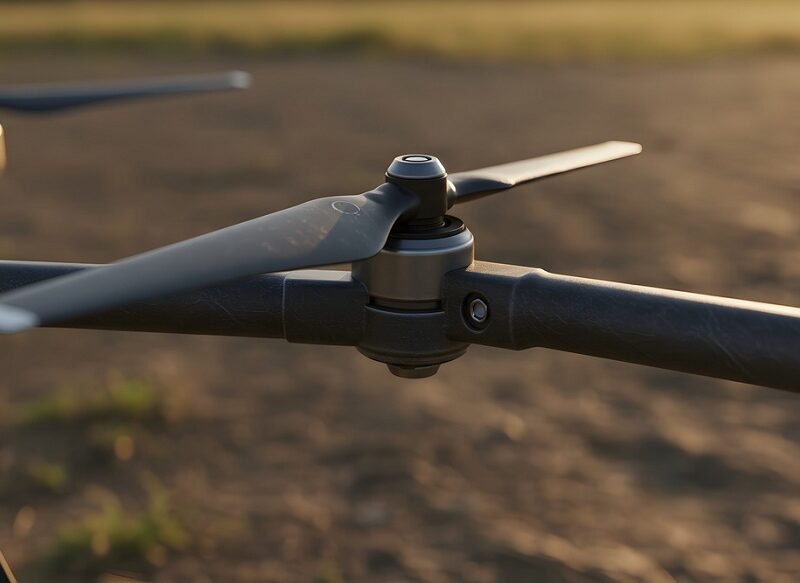
Propellers deserve extra attention here because they take a brutal beating. They spin fast, flex under load, and carry the whole aircraft on their shoulders. Trusted composite drone propeller design and manufacturing companies like Aerodine Composites bring the deep engineering muscle that turns a shaky one-off part into a design that can be built again and again with confidence. That kind of partner smooths out the bumps that wreck so many scaling programs.
Testing Goes From Casual to Serious
When you had one drone, testing meant flying it around and watching. At production scale, that loose approach won’t cut it. You need repeatable tests, accurate records, and clear standards for every unit before shipping. When a part fails, determine why and repair it along the entire line. This is where quality control quietly saves the day. Good documentation, tight inspections, and honest failure tracking catch trouble early.
Planning for the Boring Stuff
Scaling also drags in a bunch of unglamorous questions. How do you store parts? How do you ship them without damage? What happens when demand doubles overnight? Prototype teams seldom consider this, and that oversight disrupts more projects than any obvious engineering mistake. Teams that succeed view production planning as a component of design, rather than an afterthought. They build with volume in mind from the start.
Read More; The Material Decisions That Shape Entire Industries
Conclusion
Going from one drone to many isn’t just doing the same thing more times. It’s a new mission with new rules. Maintain consistency, choose reliable partners, and prepare for scaling from the start. By doing that, your program will succeed rather than crash on the runway.