
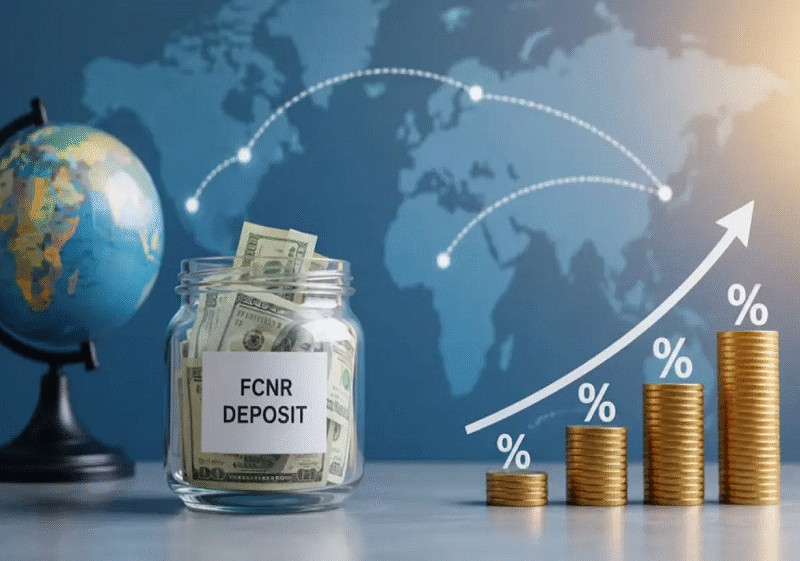

Building wealth often begins with a simple goal: saving enough money to feel financially secure. For many people, this means putting money into a savings account, setting aside a portion of each paycheck, and avoiding unnecessary expenses. While these habits provide a valuable foundation, long-term financial growth may require a broader perspective. In an increasingly connected economy, investors have opportunities to look beyond familiar markets and explore investments across industries, countries, and asset classes.
Developing a global investor mindset does not mean abandoning local financial priorities or taking unnecessary risks. Instead, it involves understanding how different markets work, recognising opportunities beyond one’s immediate surroundings, and making informed decisions based on individual goals. By combining disciplined saving with thoughtful investing, individuals can gradually move from protecting their money to building a more diversified financial future.
Why Saving Is Only the Beginning
Saving remains one of the most important financial habits because it provides stability and prepares individuals for unexpected expenses. An emergency fund, for example, can help cover medical bills, urgent repairs, or temporary income disruptions without requiring high-interest borrowing. Keeping accessible cash also gives investors greater flexibility when financial circumstances change. However, savings accounts alone may not always provide sufficient growth to meet long-term objectives, particularly when inflation reduces purchasing power over time.
Investing offers another approach by allowing money to participate in the growth of businesses, financial markets, and other assets. Stocks, bonds, exchange-traded funds, and mutual funds each provide different combinations of potential returns, risks, and income opportunities. Unlike cash savings, investments can fluctuate in value, and losses are possible. The objective is therefore not to replace saving entirely but to assign money different roles according to when it may be needed and how much risk an individual can reasonably accept.
This distinction encourages a more intentional relationship with money. Rather than measuring progress solely by the amount accumulated in a bank account, investors can consider whether their financial resources are positioned to support future expenses, retirement, education, or other meaningful goals. A strong foundation of savings makes it easier to explore investment opportunities without compromising immediate financial security.
Looking Beyond Familiar Markets
Many new investors naturally gravitate toward companies and industries they recognise. Familiarity can make financial decisions feel more comfortable, but it may also limit exposure to opportunities elsewhere. Businesses operating in international markets contribute to industries ranging from technology and healthcare to renewable energy, manufacturing, and consumer goods. Their performance may be influenced by economic conditions that differ from those affecting domestic companies.
Global investing provides a way to participate in a wider range of economic activities. International stocks, global index funds, and diversified exchange-traded funds can offer exposure to companies across multiple countries and regions. Investors do not necessarily need to research individual foreign companies or open accounts in several countries to begin exploring these possibilities. Depending on the available products and applicable regulations, a single diversified fund may provide access to numerous international businesses.
However, international exposure introduces additional considerations. Currency movements can affect returns, while political developments, regulatory differences, economic instability, and varying market standards can influence investment performance. Expanding internationally should therefore involve research rather than simply chasing markets that have recently performed well. Investors who want to understand the available choices can view more about global investment opportunities and the different approaches used to access them.
Building a Portfolio Around Long-Term Goals
A global mindset becomes most useful when it is supported by a clear investment strategy. Before choosing investments, individuals should identify their financial objectives, expected time horizon, and tolerance for losses. Someone saving for a house deposit within two years may need a more conservative approach than someone investing for retirement several decades away. The same investment will not be appropriate for every person simply because it offers attractive potential returns.
Diversification is another essential consideration. Spreading investments across different companies, sectors, and geographical regions can reduce dependence on the performance of a single market or industry. For example, a portfolio concentrated entirely in domestic technology stocks may experience significant losses if that sector struggles. A broader portfolio that includes different industries, international equities, and suitable fixed-income investments may help balance certain risks, although diversification cannot eliminate losses or guarantee positive returns.
Investors should also pay attention to fees, taxes, liquidity, and the structure of the products they choose. Even relatively small recurring investment costs can reduce long-term returns. Understanding account rules, fund expenses, and potential tax obligations helps prevent avoidable surprises. A practical strategy does not need to be complicated. Regular contributions, periodic portfolio reviews, and a willingness to adjust when personal circumstances change can provide a sustainable framework for long-term investing.
Conclusion
Moving from local savings to global opportunities begins with a change in perspective. Saving provides security, while investing creates the possibility of long-term growth. By looking beyond familiar markets, understanding diversification, and aligning decisions with personal objectives, individuals can develop a more flexible approach to managing their financial resources.
A successful investor mindset is not defined by how quickly someone enters international markets or how many products they own. It is built through consistent habits, informed decisions, and a willingness to learn.