
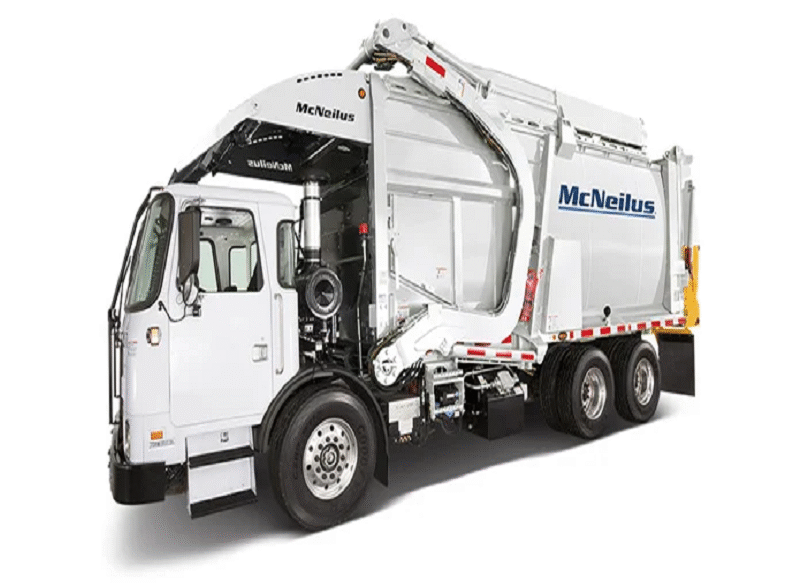

Rear loader trucks are one of the most common vehicles used in waste collection for municipalities, commercial operators, and industrial facilities. These trucks are designed for manual or semi-manual loading of waste from the rear, making them versatile, durable, and efficient for daily waste management operations.
Definition of a Rear Loader Truck
A rear loader truck is a type of garbage truck where waste is loaded from the back of the vehicle into a rear hopper. Unlike side loaders or front loaders, which may use automated arms or lifting mechanisms, rear loaders are designed to accept waste manually, including bags, bins, and bulky items. After loading, the waste is compacted into the storage body, allowing the truck to carry a larger volume of refuse on each trip.
Read More: Why Professional Cleaning Services in Irving, Texas Make a Difference
Key Components of a Rear Loader Truck
Rear loader trucks consist of several main components that work together to ensure efficient collection:
- Chassis and Cab: The truck’s base frame provides stability and support, while the cab houses the driver and controls.
- Rear Hopper: This is the primary loading area where waste is placed manually.
- Hydraulic Compaction System: Compresses waste into the storage body, increasing capacity and efficiency.
- Storage Body: A reinforced container that holds compacted waste until disposal.
- Tailgate and Ejector Blade: Allows safe and efficient unloading of waste at landfills or transfer stations.
How a Rear Loader Truck Works
The operation of a rear loader truck follows a straightforward process:
- Loading: Workers place waste, such as trash bags or bins, into the rear hopper.
- Compaction: The hydraulic system activates a ram or blade that compresses the waste into the storage body.
- Storage: Compacted waste accumulates in the storage body, maximizing the truck’s payload.
- Transport: The truck moves to a landfill or transfer station while maintaining an optimized load.
- Unloading: The tailgate opens, and the ejector blade pushes the compacted waste out of the storage body.
This process repeats along the collection route, allowing crews to efficiently manage high volumes of waste in urban and suburban areas.
Advantages of Rear Loader Trucks
Rear loader trucks offer several operational benefits:
- Versatility: Can handle mixed waste types, bulky items, and irregular loads.
- High Capacity: Hydraulic compaction allows trucks to carry more waste per trip.
- Maneuverability: Compact designs allow operation in narrow streets and congested areas.
- Cost-Effectiveness: Simpler mechanics mean lower maintenance and repair costs compared to fully automated trucks.
Safety Features
Modern rear loader trucks include safety features such as rear-view cameras, audible alarms, emergency stop controls, and anti-slip platforms. These features protect both the operators and the public during collection operations, especially in busy urban areas.
Applications
Rear loader trucks are widely used in:
- Residential Collection: Handling household trash and recyclables.
- Commercial Collection: Picking up waste from shops, offices, and small warehouses.
- Bulky Item Collection: Collecting furniture, appliances, and yard waste.
- Recycling Programs: Transporting mixed recyclable materials efficiently.
Read More:
Conclusion
A rear loader truck is a versatile and reliable solution for waste collection. Its manual loading design, hydraulic compaction system, and durable construction make it suitable for residential, commercial, and industrial waste management. By understanding how these trucks work, municipalities and waste contractors can optimize collection efficiency, reduce operational costs, and maintain clean, safe communities.