
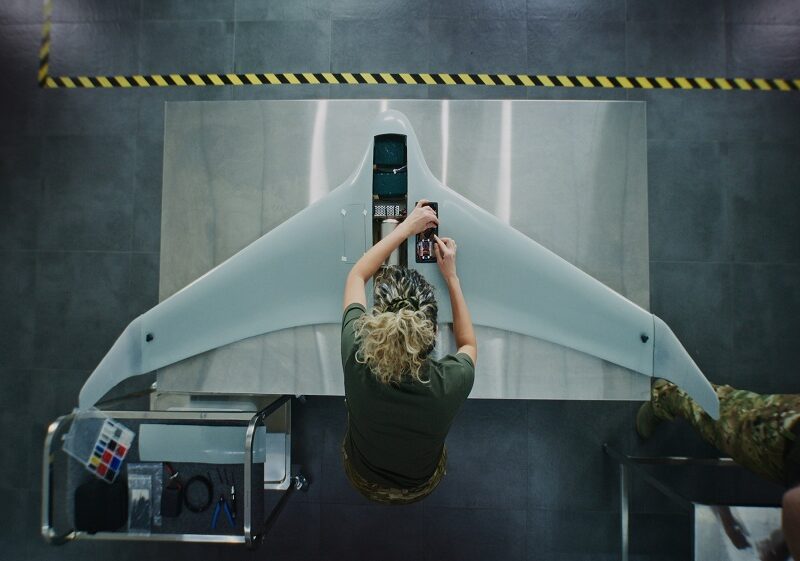

Military equipment faces punishment that civilian products never see. Blast waves, extreme temperatures, and corrosive environments destroy traditional materials in weeks. Military engineers turn to composite structures for solutions, but they demand specific capabilities that few suppliers can deliver.
Strength That Goes Beyond Standard Specs
Military composites must survive scenarios that break conventional materials. A vehicle panel might face explosive pressure one moment and arctic cold the next. Standard carbon fiber isn’t enough. Military engineers need materials that maintain structural integrity after repeated shock loading. Impact resistance tells only part of the story. These materials must also resist penetration from projectiles while remaining light enough for rapid deployment. Engineers calculate every ounce because fuel efficiency affects mission range. Extra weight means fewer supplies reach forward positions.
Read More: Key Factors in Selecting Composite Materials for Aerospace Programs
The magic happens at the molecular level. Advanced resins absorb energy differently than civilian grades. Fiber weaving patterns distribute forces across larger areas. Some structures actually get stronger under certain stress conditions. Managing heat presents a completely different challenge. Equipment operates in deserts with surface temperatures over 150 degrees. This gear may also be used in mountains with sub-zero nighttime temperatures. Composites need to withstand these changes without breaking down or becoming fragile.
Speed and Secrecy in Production
Military contracts move at two speeds: glacial or lightning-fast. Peacetime development might take years. Emergency requirements demand solutions in weeks. Suppliers must handle both timelines equally well. Production flexibility means everything. An order for ten prototype units might suddenly become a thousand-unit production run. Smart suppliers maintain surge capacity without keeping expensive inventory. They stockpile raw materials and cross-train workers to scale quickly.
Read More: The importance of succession planning in Indian family businesses
Security requirements add complexity to every interaction. Facilities need clearances. Workers undergo background checks. Computer systems require special protection. Information compartmentalization prevents any single breach from compromising entire programs. Not every manufacturer can meet these standards. Defense composite manufacturing companies like Aerodine Composites excel because they already operate within military security frameworks and understand how classified programs function differently from commercial work. These established relationships accelerate new projects since trust already exists between partners.
Testing Beyond Normal Limits
Military testing pushes materials past breaking points on purpose. Engineers need to know exactly when and how structures fail. This data drives design decisions for systems where failure means casualties. Environmental testing goes far beyond commercial standards. Salt fog exposure runs for months, not days. Vibration testing simulates years of rough terrain in hours. Chemical resistance testing includes substances civilian products never encounter. Each test generates data that shapes future specifications.
Ballistic testing requires special facilities and expertise. Not just shooting at panels but understanding penetration mechanics and spall patterns. How does material behave after impact? Does it maintain enough integrity for personnel to reach safety? These questions drive development. Field testing offers reality checks. What works in the lab might not work in a real combat situation. Sand infiltration, UV degradation, and maintenance chemicals affect longevity. Honest feedback helps engineers improve.
Cost Effectiveness Over Lifecycle
Military budgets seem huge until you factor in operational costs. A cheaper material that needs replacement every year costs more than expensive composites lasting a decade. Engineers calculate total ownership costs, not just the purchase price. Maintenance requirements affect readiness rates. Structures that need minimal field repair keep equipment operational. Those requiring specialized tools or controlled environments create logistics nightmares. The best composites survive rough handling by tired troops in harsh conditions.
Conclusion
Military engineers demand composite structures that excel where others fail. Extreme strength, production agility, exhaustive testing, and lifecycle value define success in defense applications. When suppliers overcome these hurdles, they earn the trust of those they protect.